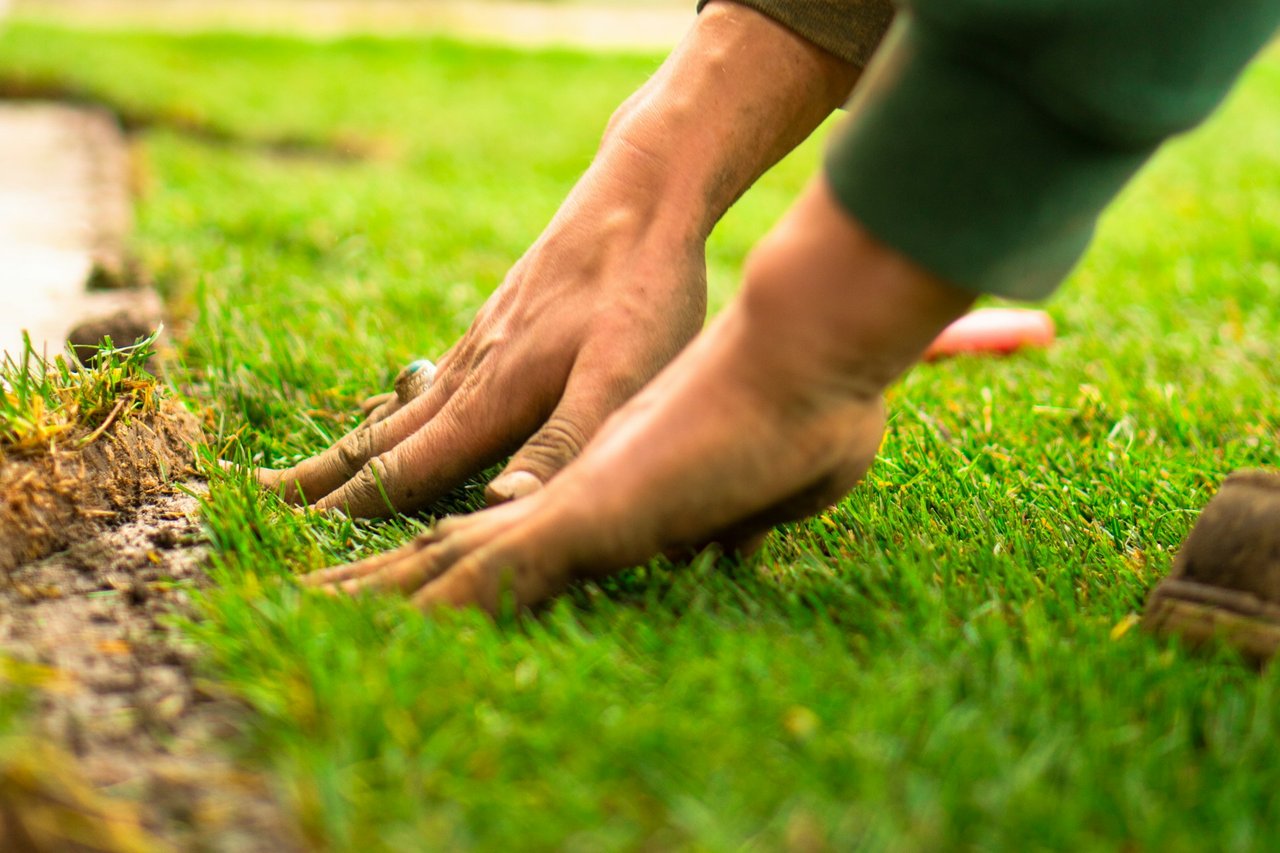
Lessons I've Learned About Emerald Coast Lawns
The best lawn care program is preventative. Once insects, fungus, or weeds become established, treatment is usually more expensive and time-consuming.
- Chinch bugs can destroy a lawn faster than a Realtor can explain why a Zestimate isn't an appraisal.
- Brown grass does not automatically mean the lawn needs water.
- Pre-emergent applications are often more important than fertilizer.
- Most lawn problems start small and can become expensive when ignored.
- Irrigation systems need periodic inspection.
Maintaining a healthy lawn along Florida's Emerald Coast presents unique challenges. From St. Augustine grass and chinch bugs to irrigation schedules, fertilization, and weed control, this guide provides practical lawn care information for homeowners in Destin, Miramar Beach, Fort Walton Beach, Niceville, 30A, Santa Rosa Beach and surrounding communities.
Quick Navigation
- Why Is My St. Augustine Grass Turning Brown?
- Common Emerald Coast Lawn Problems
- Best Grass for the Florida Panhandle
- When to Fertilize Your Destin Lawn
- Best Irrigation Schedule for Florida Lawns
- Seasonal Lawn Care Calendar
Why Is My St. Augustine Grass Turning Brown?
If your St. Augustine lawn suddenly develops brown patches, don't automatically assume it needs more water. Along the Emerald Coast, brown grass is commonly caused by insect damage, fungal disease, irrigation problems, or environmental stress.
Common Emerald Coast Lawn Problems
Chinch Bugs
One of the most common lawn pests in Northwest Florida. Chinch bugs feed on St. Augustine grass and can quickly create expanding brown patches. If you've lived on the Emerald Coast for very long, chances are you've battled chinch bugs at least once. These tiny insects can turn a healthy St. Augustine lawn into a patchwork of brown spots surprisingly fast.
Signs
- Expanding brown patches
- Grass dies despite watering
- Most common during summer
Treatment
Products containing bifenthrin, gamma-cyhalothrin, or permethrin are commonly used by homeowners.
Sod Webworms
These small caterpillars feed on grass blades and often create brown areas that resemble drought damage. I learned about sod webworms the hard way. The lawn looked drought-stressed, but irrigation wasn't the problem. Upon closer inspection, the grass blades were actually being eaten by sod webworm larvae. It took multiple treatments before I finally got the infestation under control.
Signs
- Chewed grass blades
- Brown patches
- Increased bird activity
Treatment
Products containing bifenthrin, permethrin, or Bacillus thuringiensis (Bt) are commonly used for control.
Brown Patch Fungus
Warm temperatures, humidity, and excessive moisture create ideal conditions for fungal disease.
Signs
- Circular brown areas
- Yellow halo around affected grass
- Appears during humid weather
Treatment
Fungicides containing azoxystrobin, propiconazole, or thiophanate-methyl are commonly used.
Irrigation Problems
Drought Stress
Broken sprinkler heads, irrigation failures, or watering restrictions can quickly affect lawn health.
Overwatering
Too much water can weaken root systems and encourage fungal growth.
- Many lawn issues are caused by:
- Broken sprinkler heads
- Poor coverage
- Improper timer settings
Best Grass for the Florida Panhandle
St. Augustine
The most common grass along the Emerald Coast. I currently have St. Augustine in most of my lawn, along with a little Centipede, Zoysia, and Bermuda that have somehow managed to survive despite my best efforts to maintain a uniform lawn.
Best For: Appearance and coastal conditions.
Centipede
Often called the "lazy man's grass."
Best For: Low maintenance homeowners.
Zoysia
Best For: Premium appearance and durability.
Bahia
Best For: Drought tolerance and low maintenance.
Bermuda
Best For: Full sun and high-traffic areas.
Goal | Recommended Grass |
|---|---|
Most Common | St. Augustine |
Lowest Maintenance | Centipede |
Premium Appearance | Zoysia |
Drought Tolerance | Bahia |
Heavy Traffic | Bermuda |
When to Fertilize Your Destin Lawn
Proper fertilization helps maintain a healthy lawn, but timing matters. Along the Emerald Coast, homeowners should think about fertilization and weed control as part of the same lawn care program.
In my experience, one of the biggest lawn care mistakes newcomers make is focusing entirely on fertilizer while ignoring weed prevention. A good pre-emergent program will often do more for the appearance of your lawn than an extra bag of fertilizer.
Spring (March-April)
As temperatures warm and grass begins actively growing, apply your first fertilizer treatment of the season. Spring is also an excellent time to inspect irrigation systems and identify any winter lawn damage.
Summer (June-July)
Most warm-season grasses are actively growing during summer. Continue fertilization according to product recommendations while monitoring for chinch bugs, sod webworms, and fungal diseases. Avoid excessive nitrogen applications during periods of extreme heat.
Fall (September-October)
A light fall fertilization can help maintain lawn health before winter. This is also one of the most important times of year for weed prevention.
Pre-Emergent Weed Control
Pre-emergent herbicides prevent many weeds from germinating in the first place.
Late Winter: February through early March
Helps prevent:
- Crabgrass
- Goosegrass
- Other summer annual weeds
Fall: September through October
Helps prevent:
- Annual bluegrass (Poa annua)
- Chickweed
- Henbit
- Other winter weeds
Pre-emergent products work best before weed seeds begin germinating.
Post-Emergent Weed Control
Post-emergent herbicides are used after weeds have already appeared.
Common lawn weeds along the Emerald Coast include:
- Dollarweed
- Clover
- Spurge
- Chamberbitter
- Virginia buttonweed
- Crabgrass
Treating weeds while they are young is generally more effective than waiting until they become established.
Emerald Coast Homeowner Tip
Many lawn professionals consider a properly timed pre-emergent program to be one of the most important steps in maintaining an attractive lawn.
It's often easier—and less expensive—to prevent weeds than to eliminate them after they appear.
A homeowner can have perfect irrigation, good fertilizer, and healthy grass, and still have an ugly lawn if they miss their February pre-emergent application.
Recommended Emerald Coast Annual Lawn Care Schedule
Apply pre-emergent weed control (February-March)
Spring fertilization
Monitor for chinch bugs and sod webworms (May-August)
Monitor for fungal disease during humid summer months
Apply fall pre-emergent weed control (September-October)
Following a consistent annual maintenance schedule can significantly reduce weed pressure and help maintain a healthier lawn throughout the year.
Miss Step #1 and Step #5, and you're often fighting weeds all year long. That's local knowledge many newcomers to Florida haven't learned yet.
Best Irrigation Schedule for Florida Lawns
Most Emerald Coast lawns benefit from deep, infrequent watering. Longer cycles in fewer days will help strengthen the root systems. Early morning watering allows grass blades to dry during the day, helping reduce the risk of fungal disease. Most lawns need about one inch of water per week from rainfall and irrigation combined.
General Rule
- Water 2 days per week
- Water early morning
- Avoid evening watering
Signs of Overwatering
- Mushy soil
- Fungus
- Shallow roots
Signs of Underwatering
- Grass blades curling
- Footprints remain visible
- Gray or blue tint to turf
Seasonal Lawn Care Calendar
Season | Recommended Focus |
|---|---|
January-February | Equipment maintenance and weed monitoring. |
March-April | Fertilization and irrigation inspection. |
May-June | Monitor for chinch bugs and sod webworms. |
July-August | Watch for fungus and heat stress. |
September-October | Fall fertilization and weed control. |
November-December | Reduce mowing and prepare for winter. |
Final Thoughts
Maintaining a healthy lawn on the Emerald Coast requires a combination of proper irrigation, fertilization, weed prevention, and pest control. Whether you live in Destin, Miramar Beach, Fort Walton Beach, Niceville, Santa Rosa Beach, or along 30A, a little preventative maintenance can save a great deal of time and expense later.
Disclaimer: Always read and follow product label instructions. Local regulations, grass varieties, weather conditions, and irrigation practices can affect treatment recommendations. When in doubt, consult a licensed lawn care professional.
Additional Emerald Coast Resources
- Area Guide to the Emerald Coast
- Emerald Coast Local Dictionary
- Emerald Coast Shopping Guide
- Destin Restaurant Guide
- Destin Golf Courses
- Emerald Coast Schools Guide
- Establish Florida Residency
- Real Estate Glossary
- Pros & Cons of Living on the Emerald Coast
- Emerald Coast Utilities Guide